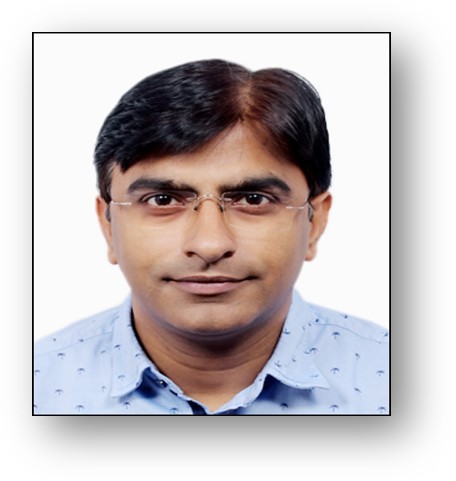
Sumeet Madan: Contracts in Complex Environments Encourage Agility
Great contracts don't manage risk — they share it.
Traditional contracts often focus solely on maximizing money and rigid risk management, such as fixed scope and delivery. Sumeet Madan explains how this mindset can trap clients and suppliers in a “Stupidity Quadrant” — a lose-lose dynamic that resembles a Prisoner's Dilemma, where both sides protect their own interests at the expense of the relationship and the outcome.
Instead, Sumeet argues that agile contracts should be built on the pillars of empiricism, adaptation, inspection, transparency, and trust. He walks through practical models — iterative Time & Materials, Target Scope with clearly defined client/supplier buffers, and risk-sharing arrangements that incentivize collaboration and early delivery — all designed to create a win-win outcome for both parties.
What You'll Learn
- How rigid, fixed-scope contracts trap clients and suppliers in a lose-lose “Stupidity Quadrant”
- The five pillars — empiricism, adaptation, inspection, transparency, and trust — behind agile contracts
- Practical win-win models: iterative Time & Materials, Target Scope with buffers, and risk-sharing
Written by Ayush Bisht · Reviewed for accuracy by Sanjay Saini
Key Takeaways
About the Speaker
Sumeet Madan is an Agile Coach and Certified Scrum Trainer at Agilemania, with more than 17 years of experience in Agile transformation, Scrum, and product ownership training. He has previously worked as an Agile Coach with organizations including Datacom New Zealand and Prowareness. Sumeet Madan spoke at Scrum Day India 2020 on “Contracts in Complex Environments Encourage Agility.”
Presentation Deck
Follow along with the slides used in the session: